Degenerative Disc Disease

Degenerative Disc Disease

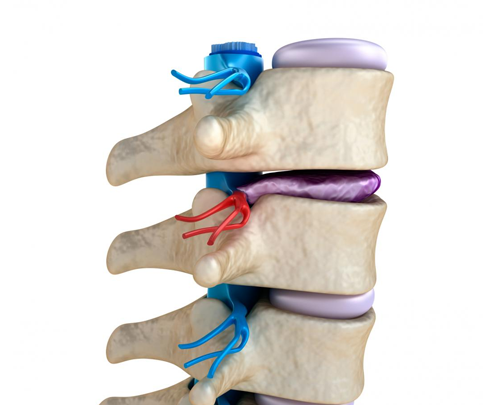
Degenerative disk disease is when your spinal disks wear down. Spinal disks are rubbery cushions between your vertebrae (bones in your spinal column). They act as shock absorbers and help you move, bend and twist comfortably. Everyone's spinal disks degenerate over time and is a normal part of aging.

Symptoms :

1. Chronic Back or Neck Pain: Persistent pain in the back or neck, often worsened by movement or certain positions.

2. Intermittent Pain Flares: Episodes of acute pain or flares that come and go over time.

3. Radiating Pain: Pain that radiates to the buttocks, thighs, or legs in the case of lumbar (lower back) disc degeneration.

4. Stiffness: Reduced flexibility and stiffness, particularly after prolonged periods of inactivity or upon waking.

5. Numbness and Tingling:: Nerve compression may lead to sensations of numbness or tingling in the extremities.

Causes:

1. Aging: The primary cause is the natural aging process, leading to wear and tear on spinal discs.

2. Genetic Factors: Genetic predisposition can play a role in an individual's susceptibility to disc degeneration.

3. Trauma or Injury: Previous injuries or trauma to the spine, even if occurring earlier in life.

4. Smoking: Smoking has been linked to accelerated disc degeneration, possibly due to reduced blood flow to the discs.

5. Spinal Instability: Instability in the spine, often resulting from the loss of disc height, can contribute to DDD.

6. Occupational Factors:: Jobs that involve repetitive lifting, bending, or other activities that strain the spine may increase the risk.