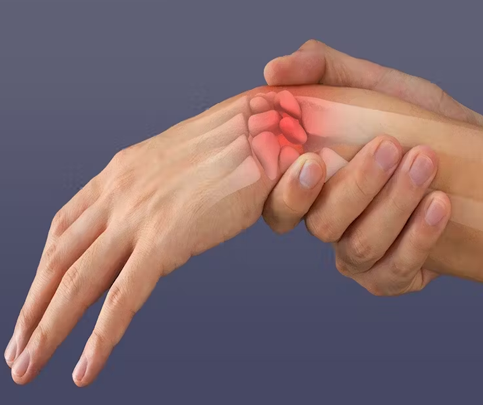
Broken or Fractured Arm/Wrist/Hand

Broken or Fractured Arm/Wrist/Hand care

A broken or fractured arm, wrist, or hand is a common orthopedic injury that may result from various causes, including accidents, falls, or sports-related incidents. Here is an overview of this condition, covering symptoms, causes, diagnosis, and treatment options:

Symptoms :

1. Pain: Intense pain at the site of the fracture.

2. Swelling: Swelling and bruising may occur around the injured area.

3. Deformity: In some cases, the affected limb may appear deformed or out of alignment.

4. Limited Mobility:: Difficulty moving the arm, wrist, or hand.

5. Tenderness: Tenderness to the touch around the fracture site.

Causes:

1. Trauma: Accidents, falls, or direct blows to the arm, wrist, or hand.

2. Sports Injuries: High-impact sports or activities with a risk of falling.

Diagnosis:

1. Physical Examination: The doctor will assess the injured area, checking for deformities, tenderness, and range of motion.

2. X-rays: Imaging tests to visualize the extent and location of the fracture.

2. CT Scan or MRI: In some cases, advanced imaging may be required for a more detailed view.

Treatment Options:

1. Immobilization: Asting or splinting to keep the broken bones in place and promote healing.

2. Reduction: Some fractures may require the manual realignment of the bones.

3. Surgery: In severe cases or complex fractures, surgical intervention may be necessary to stabilize the bones using pins, plates, or screws.

4. Pain Management: Medications to alleviate pain and reduce inflammation.

5. Physical Therapy: Rehabilitation exercises to restore strength and mobility.

6. Follow-up Care: Regular monitoring to ensure proper healing and address any complications.

Recovery:

1. Duration: The recovery time varies depending on the severity and type of fracture.

2. Physical Therapy:Gradual reintroduction of movement and strength-building exercises under the guidance of a physical therapist.

3. Follow-up Appointments: Periodic check-ups with the orthopedic doctor to assess healing progress.

Prevention:

1. Safety Measures: Use proper safety equipment during activities with a risk of falls or trauma.

2. Strength Training: Engage in exercises to strengthen bones and muscles.

3. Fall Prevention: Be cautious on slippery surfaces and use handrails when needed.